Complete Overview To Mounting Metal Roofing: Diy Steps And Tips
Any particles that arises must be eliminated and any type of off-cuts of insulation, excess bolts and comparable components should not be left on the bed linen. This helps to ensure a durable weather-resistant joint, along with shutting out birds and vermin. Install your very own metal roofing to increase performance and include design to your home while saving cash. Whether you are looking to replace your existing roofing system Click here or add a roof to a new building, metal roof covering can be an eye-catching option to asphalt roof shingles. Steel roofing is solid sufficient to make it through storms, hail and wildfires.
Preparing Your Roofing For Steel Roofing Installation

Action 5: Secure The Panels
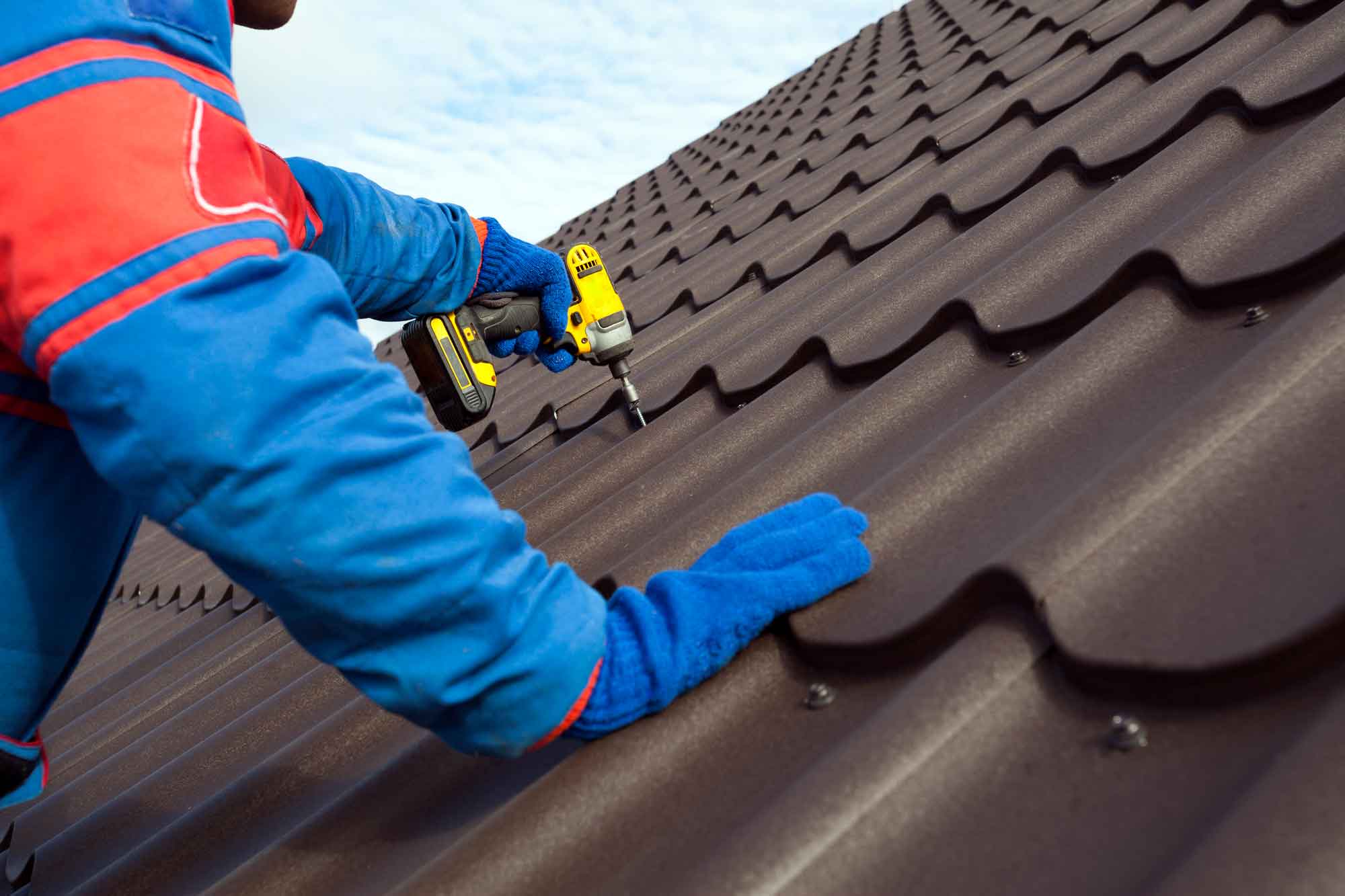
We recommend attaching your Barge with self-drilling 22mm TEK kind stitching screws. Repair your stitcher screws at routine intervals of no more than 400mm apart and at all key structural factors. The top component of your Barge need to be screwed right into the roof sheet below. You might want to attach colour caps to the heads of the screws for a smooth layout. Barges, or else called Verges or Barge Boards, refer to the Fascia Boards fitted at the Gable End (section of the wall surface situated at the roof covering's pitch).
- This step is effective due to the fact that it directly fights possible leaks at the roof covering's highest and most vulnerable point.Purlins can be used create a sustaining structure and to transfer the loads enforced by the metal sheeting onto the key building framework.For example, taking care of right into wood a 65mm TEK screw with a baz washing machine is suggested.Prior to installing the corrugated metal panels, you'll require to ensure that the roofing system deck is properly prepared.
Install Blinking
Flashing aids to prevent water from seeping right into the framework at points where the roofing system meets a wall surface, smokeshaft, or other upright surfaces. Before putting down the polycarbonate panels, mount the proper flashing along the edges of the roof and any kind of joints where leakages are likely to happen. This includes roof covering ridges, valleys, and junctions with wall surfaces or other frameworks. Secure the flashing with nails or screws, making sure that it is firmly secured and lined up properly to direct water away from vulnerable locations.